


Heronries in the Cuvelai Drainage System, north-central Namibia, with a special reference to a major traditional heronry in Ondangwa
Abstract
A large heronry was surveyed in the centre of the town of Ondangwa in the Cuvelai Drainage System in the north-central Namibia. In 2020, the heronry was occupied by c. 11,000 breeding pairs of the Western Cattle Egret (Ardea ibis) and c. 80 breeding pairs of five other species, viz. Little Egret (Egretta garzetta), Black-crowned Night Heron (Nycticorax nycticorax), Grey Heron (Ardea cinerea), Black-headed Heron (Ardea melanocephala) and African Reed Cormorant (Microcarbo africanus). In previous years, the heronry was occupied also by large numbers of breeding pairs of the Little Egret, Yellow-billed Egret and Black-crowned Night Heron. This heronry in Ondangwa may cause serious conflict with a nearby hospital, and a relocation to another safe site either within or outside the town could be a viable option. Only a few other small and ephemeral heronries were found in the Cuvelai Drainage System.
Key words: heronries, human-wildlife conflict, urban ecology.
Introduction
Herons and egrets (Ardeidae) are known to nest colonially in the same site over many years (Kushlan and Hafner 2000). The reasons for such concentrations are not well-explained, but colonies may play a role as centers of information for patchily distributed food resources (Krebs 2009, Kushlan and Hafner 2000). Areas with larger, mixed (multispecies) long-established heronries should be protected as nature/bird reserves as they would protect larger segments of breeding populations of several wading species. Despite the need for such protection, there is a general paucity of information from most African countries (Harebottle 2019).
To date, a number of mixed and traditional heronries are known from southern Africa. For example, in the Free State, South Africa, four such heronries were found: Sandveld Nature Reserve (Kopij and Nuttall 1996), Willem Pretorius Game Reserve (Kopij 1996a), Wolvekop in Dewetsdorp district (Kopij 1996b, c, 1997a, b, 1999a, b, 2001), and Soetdoring Nature Reserve (Kopij 2019). In Botswana, two such heronries are known from the Okavango Delta (Francis et al. 2021); in southern Mozambique, only one from the Lake Urema, Gorongoza National Park (Stalmans et al. 2014) and also one in Zimbabwe from the Lake Kariba (Ewbank 2019).
In Namibia, 14 heronries have been found, including five in the central part of the country near Windhoek, and only one in the north-central part of Namibia (in Ondangwa), but no information on their composition and size is, however, known (Harebottle 2019). The term ‘heronry’ refers to both breeding sites where only ardeid species nest and those mixed colonies where non-ardeid species nest together with ardeids, but he included also colonies that did not contain herons, and it is uncertain whether all 14 colonies he listed for Namibia fall under the definition ‘heronry’. In this paper, I report on heronries established in the north-central part of the country to fill knowledge gaps regarding the status and conservation of herons in southern Africa. The Ondangwa heronry was known already in 1945 (Hahn 1946).
Methods
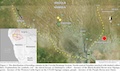
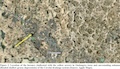
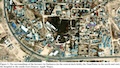
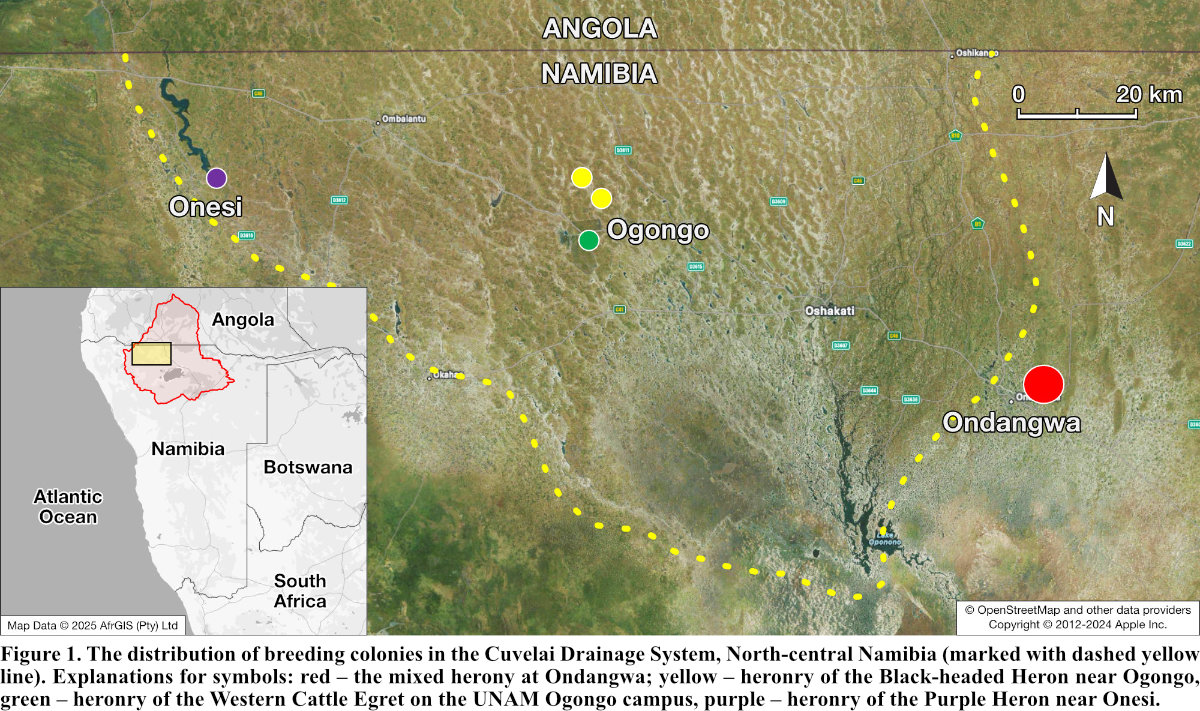
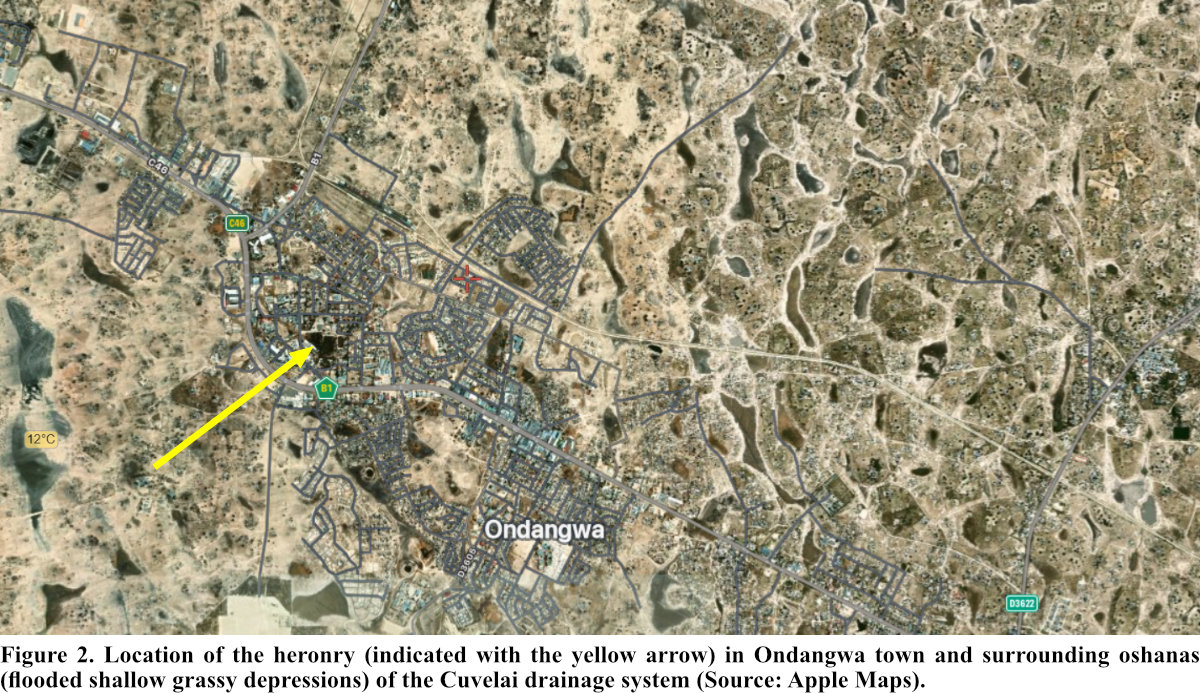
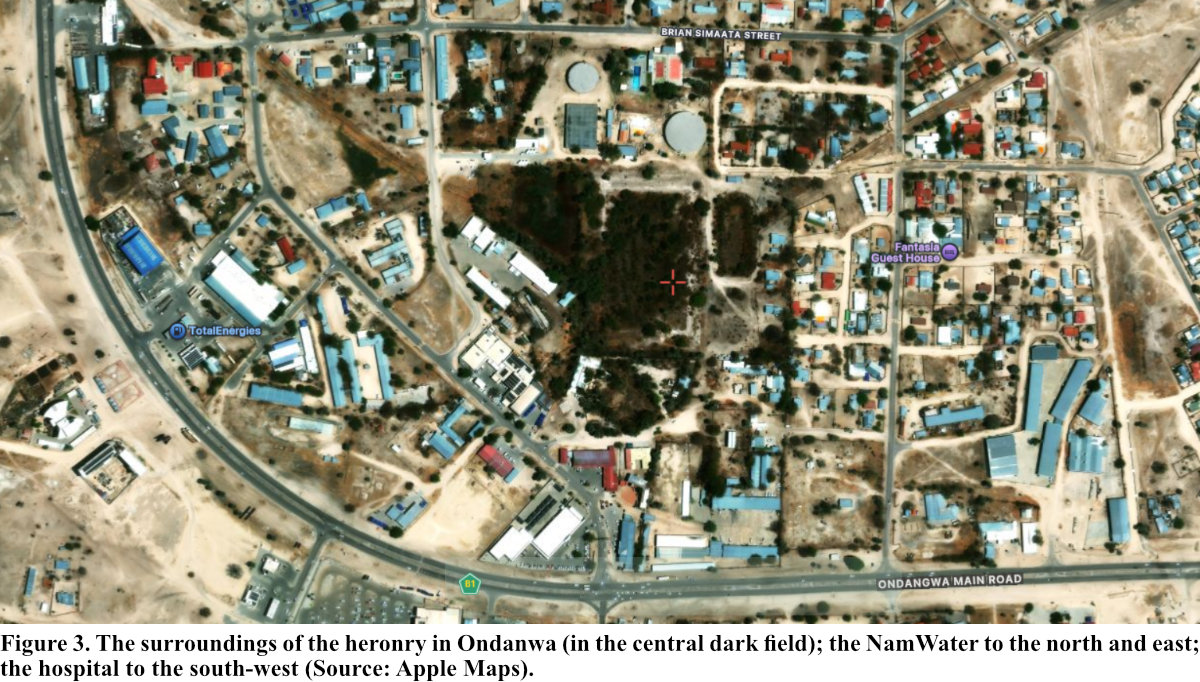
The study area was the Cuvelai Drainage System in the north-central Namibia (Figs. 1, 2, 3). It is an extensive (c. 40,000 km2) sandy plain, c. 1,100 m a.s.l., partly flooded almost annually (usually December-June). It is located in a prime summer rainfall zone, with mean annual precipitation of 400-500 mm (Mendelsohn et al. 2000, Mendelsohn and Weber 2011).
Natural vegetation comprised a mixed savanna dominated by shrubs and trees of Colophospermum mopane and Acacia erioloba, with a mixture of Acacia nilotica, Ziziphus mucronata, Combretum spp., Ficus spp. It was interlaced with shallow oshans (natural, ephemeral lakes, pans, and canals) and was almost totally altered with pastures, arable grounds, village settlements, roads, etc. (Kopij 2015). The climate is semi-arid. Almost all rains (96%) fall in summer (November-April), with two-thirds in January-March. The amount of rain varies from year to year, usually within 400 mm (Mendelsohn and Weber 2011). The average temperature of the coolest months (June-August) is 17 ̊C and that of the warmest months (October-January) 25 °C (Kopij 2013).
The whole Cuvelai Drainage system was surveyed by a car along all suitable roads for the presence of heronries. The surveys were conducted during the years 2018-2020, with c. 30 survey days spent in the field. No boat was available to survey the canals. Special attention was paid to larger feeding flocks which were followed at dusk to find their roosting sites. The roosting sites were investigated for supposed presence of nesting birds. In addition, all towns and larger settlements were surveyed for the presence of heronries. Local people were also asked to help to localize such sites.
The heronry in Ondangwa was surveyed on 20 May 2011, 6 August 2011, 13 March 2018 and 19 March 2020. Numbers of nests were counted separately for each tree/shrub from the ground. Only nests where incubating or brooding adults were seen were counted, which also allowed to identification of the species to which a nest belonged. In this way, some unattended nests could passed undetected. It appeared that under such high nest density, when there is a high risk of nest destruction by neighbours, almost all nests with clutches are attended. More attention was also paid to species, which were other than the dominant Western Cattle Egret (Ardea ibis). Nests were counted from several points and from different distances (10-100 m), with the help of 8 x 30 binoculars, when most birds were incubating eggs. Since the number of Western Cattle Egret nests was very high, these were counted one by one only on selected trees, and then the number of trees with a similar number of Western Cattle Egrets was counted. In the same way the number of Little Egret (Egretta garzetta) nests was assessed on 6 August 2011. Nests belonging to other species were counted one by one, as were Western Cattle Egret nests with less than 100 nests per tree. No attempt was made to identify nests without attended birds, as ardeid nests are similar in structure and may pose a problem in identification.
Results
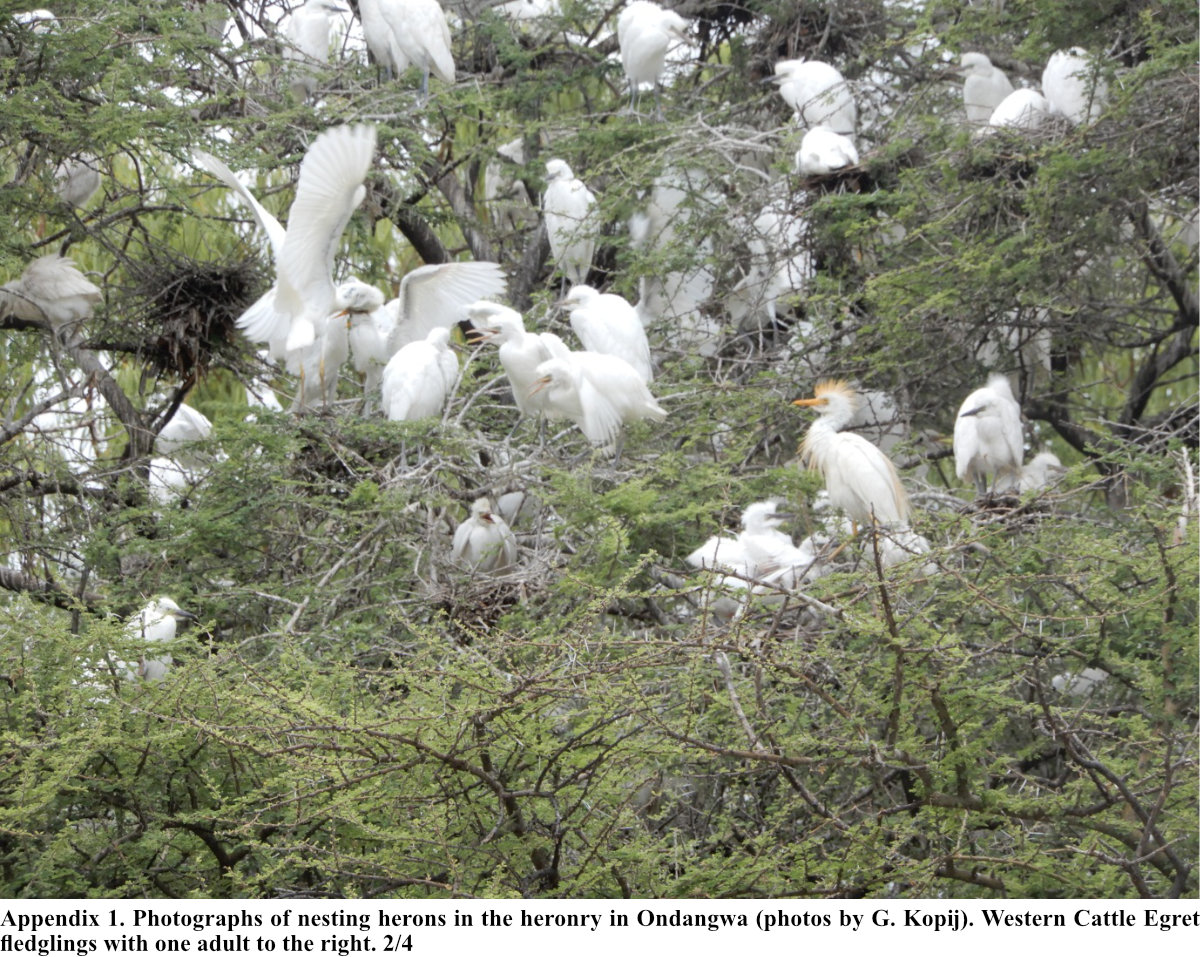
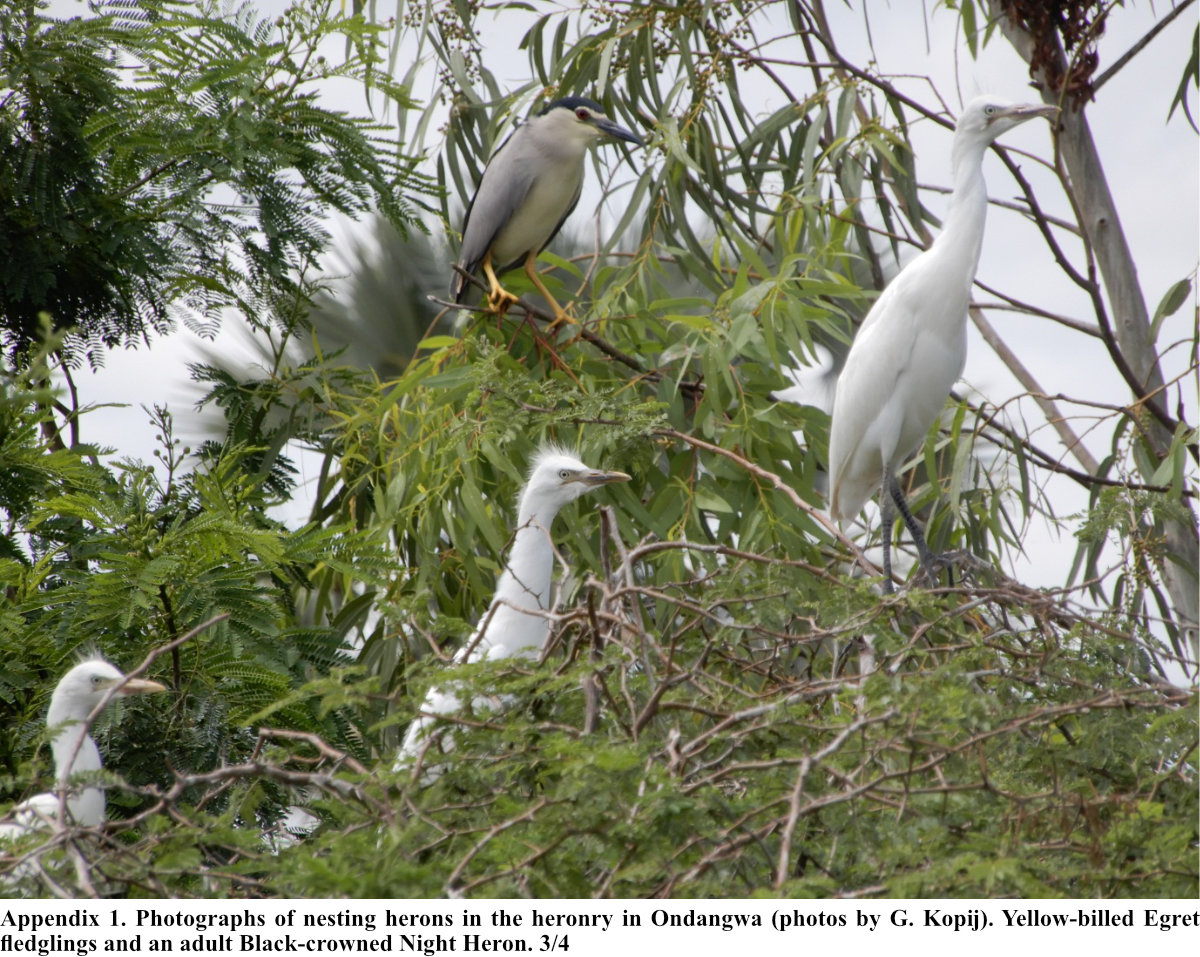
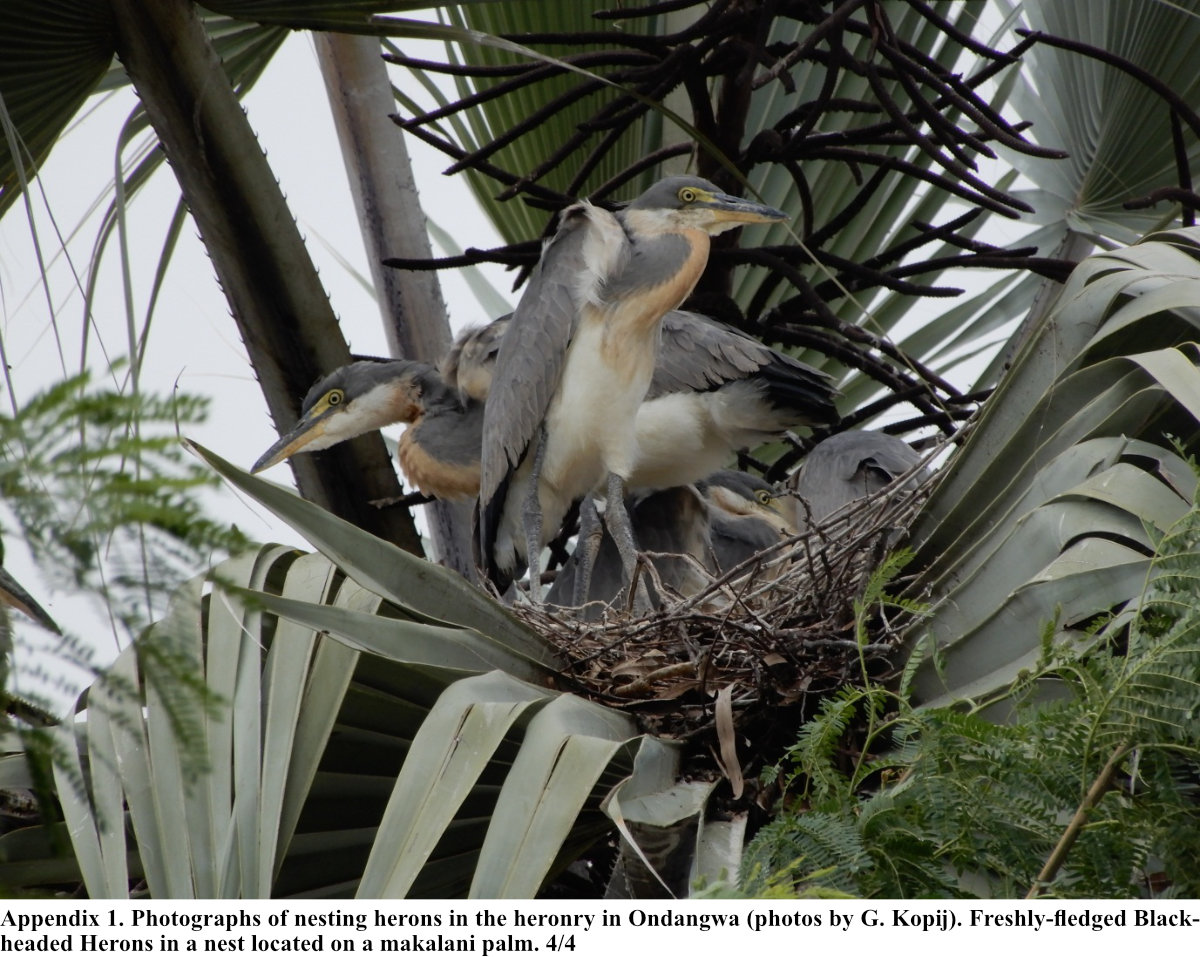
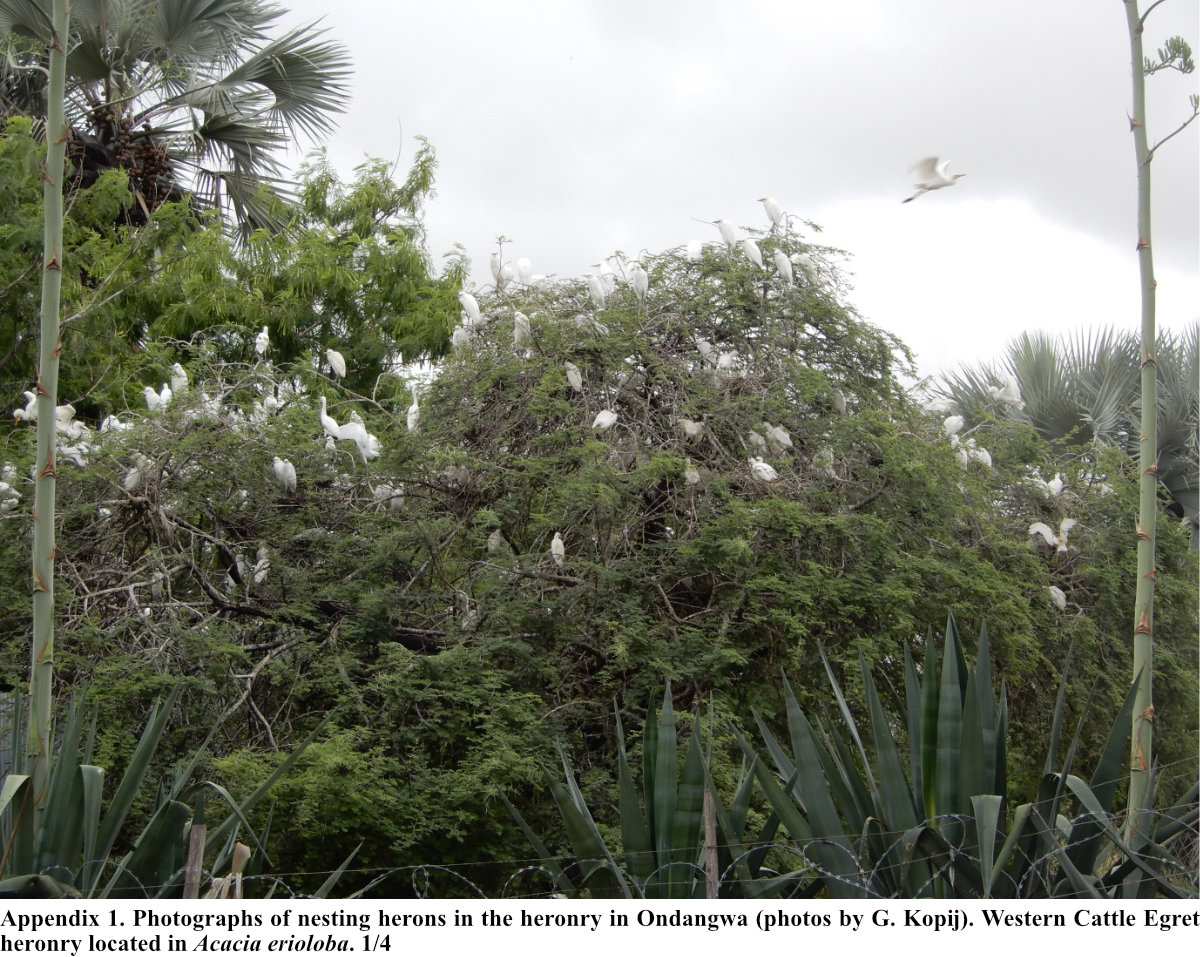
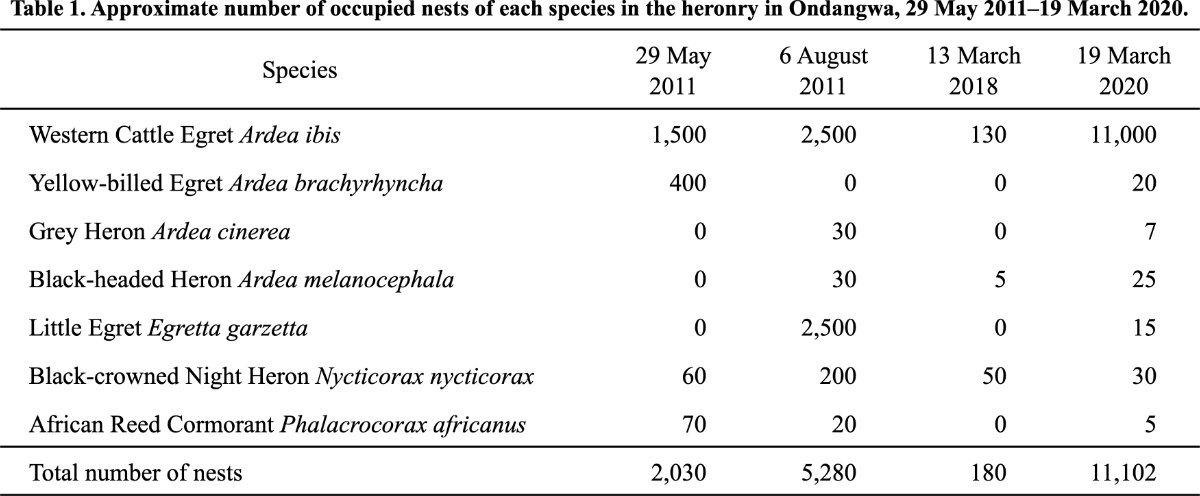
In 2011, I estimated 2,500 occupied nests for each of the Western Cattle Egrets and Little Egret (together 95% of all occupied nests of all species), as well as 400 nests of Yellow-billed Egrets (Ardea brachyrhyncha), 200 nests of Black-crowned Night Herons (Nycticorax nycticorax) and dozens nests of the Grey Heron (Ardea cinerea), Black-headed Heron (Ardea melanocephala) and African Reed Cormorant (Phalacrocorax africanus) (Table 1). In 2018, an attempt was made by the NamWater to destroy the heronry (information from NamWater authorities). Nests were demolished and birds were scared away. The 2018 survey was carried out a few weeks after this incident. The outcome of this action was the opposite of what was intended, as in 2020, about 11,000 Western Cattle Egret nests were established there (99% of all occupied nests of all species), though the number of nests of the other species was much lower than before, ranging only from 5 to 30 occupied nests. Especially evident was a much lower number of nesting Little Egrets, Yellow-billed Egrets and Black-crowned Night Herons (Table 1). Over 10 years (2011-2020), the number of the Western Cattle Egret had therefore increased by 4.4 fold, while the number of the Little Egret has decreased by 99%, that of the Yellow-billed Egret – by 95% and Black-crowned Night Heron – by 85%. Overall, the number of pairs breeding had more than doubled over the 10 years.

In 2020, most of Western Cattle Egret nests were located on acacias, including the camel thorn (Acacia erioloba). Other species nested also in gum trees (Eucalyptus camelduensis), makalani palms (Hyphaene petersiana) wild peaches (Kiglaria africana), and other tree species.
The Great Egret (Ardea alba) was not recorded as nesting in the heronry, neither in 2011 nor in 2020 (Table 1). It was, however, often observed while feeding in the oshanas (flooded shallow grassy depressions) throughout the Cuvelai Drainage System. Their nesting colonies were not found in the Cuvelai Drainage System in the time of this survey. It is also unknown where the nearest breeding colonies of this species were located.
The heronry in Ondangwa is the only long-lasting heronry which was found in the whole survey of the Cuvelai Drainage System (c. 40,000 km2) during 2011-2020. In addition to this, two small ephemeral (disappeared after 1-2 years) heronries (2-4 nests) of the Black-headed Heron were found near Ogongo, Omusati Region, and a small colony of 2-3 pairs of Purple Heron (Ardea purpurea) were discovered at the Olushandja dam, 3.5 km NE of Onesi in 2019-2020 (Fig. 1). In 2018, Western Cattle Egrets established an ephemeral colony comprising c. 1,000 nests around a dam of the NamWaters on the UNAM Ogongo campus. Nests were located in two trees. The heronry was, however, totally demolished by the NamWater (information from NamWater authorities), when most birds were already incubating their eggs.
Discussion
Since the Ondangwa heronry was known already in 1945 (Hahn 1946), it can be viewed as a traditional heronry. Both the species composition and the number of occupied nests of individual species in the Ondangwa heronry had changed markedly not only year after year, but dramatical changes were recorded even within the same year, e.g., in 2011 (Table 1). Probably most species breed in the colony erratically, not in every year, probably depending on the local feeding conditions, which, in turn, may be related to the amount of rainfall in the wet season (October-April) or immigration/emigration movements governed by rainfalls (Kushlan and Hafner 2000, Hockey et al. 2005).
Big differences in species composition and the number of occupied nests of particular species in the Ondangwa heronry may also result from human disturbance and nest destruction. The Western Cattle Egret appears not to be much affected by human disturbances, while species more sensitive to human disturbances may decrease in numbers in subsequent years. For example, after destruction of the heronry in 2018, much lower numbers of the Grey Heron, Little Egret, and Black-crowned Night Heron pairs nested in the heronry in 2020. Big year-to-year changes in the number of breeding birds were also recorded in heronries in the Okavango Delta, northern Botswana (Francis et al. 2021).
In each year, the Ondangwa heronry was occupied almost entirely by ardeid birds. Only very small proportion of African Reed Cormorant nests were located here. The Openbill Storks Anastomus lamelligerus, common in the Cuvelai Drainage System, especially around Ogongo (pers. obs.), were never found in this heronry. In fact, to date they were not recorded as breeding in the Cuvelai Drainage System. In the Okavango Delta, most heronries were occupied by storks, ibises and cormorants (Francis et al. 2021). Also in the Free State, South Africa, a large proportion of ibises and cormorants were recorded along ardeids (Kopij 1996a, 2001, 2019, Kopij and Nuttall 1996). On the other hand, in Lesotho, most heronries were occupied by herons and egrets, with very small proportion of African Reed Cormorants, a situation similar to that in Ondangua (Kopij 2008).
It is quite surprising that in such a suitable environment as the Cuvelai Drainage System, apparently only one, although very large, heronry was established. It is a vast grassy plain flooded almost on a yearly basis, with water retained for almost the whole dry season. There is an abundance of fish, snails and other water animals (Mendelsohn and Weber 2011), and much shallow water suitable for wading birds. In the Lesotho lowlands (c. 10,000 km2), there is less suitable environment for herons; Kopij (2008, 2014) recorded 17 Western Cattle Egret heronries and a few heronries of other species. Similarly, Tarboton (1977) discovered 13 breeding colonies in an area of 4,430 km2 in Witwatersrand, Gauteng province, South Africa.
In the Okavango Delta (31,607 km2), the most extensive and most important wetland in southern Africa, eight heronries were reported during the years 1970-2019 (Francis et al. 2021). They also found that the colonies were occupied by 15-22 species although only two of them (Xaxaba, with the maximal number of 4,411 breeding pairs, and Kanana with the maximal number of 5,031 breeding pairs) contained more than 2,000 breeding pairs in some years, and two others (Xobega and Xugana), with a maximum of 1,377 and 1,285 breeding pairs respectively. Their average individual colony size ranged from 44 to 2,443 breeding pairs, with an average total 6,285 breeding pairs per annum (Francis et al. 2021).
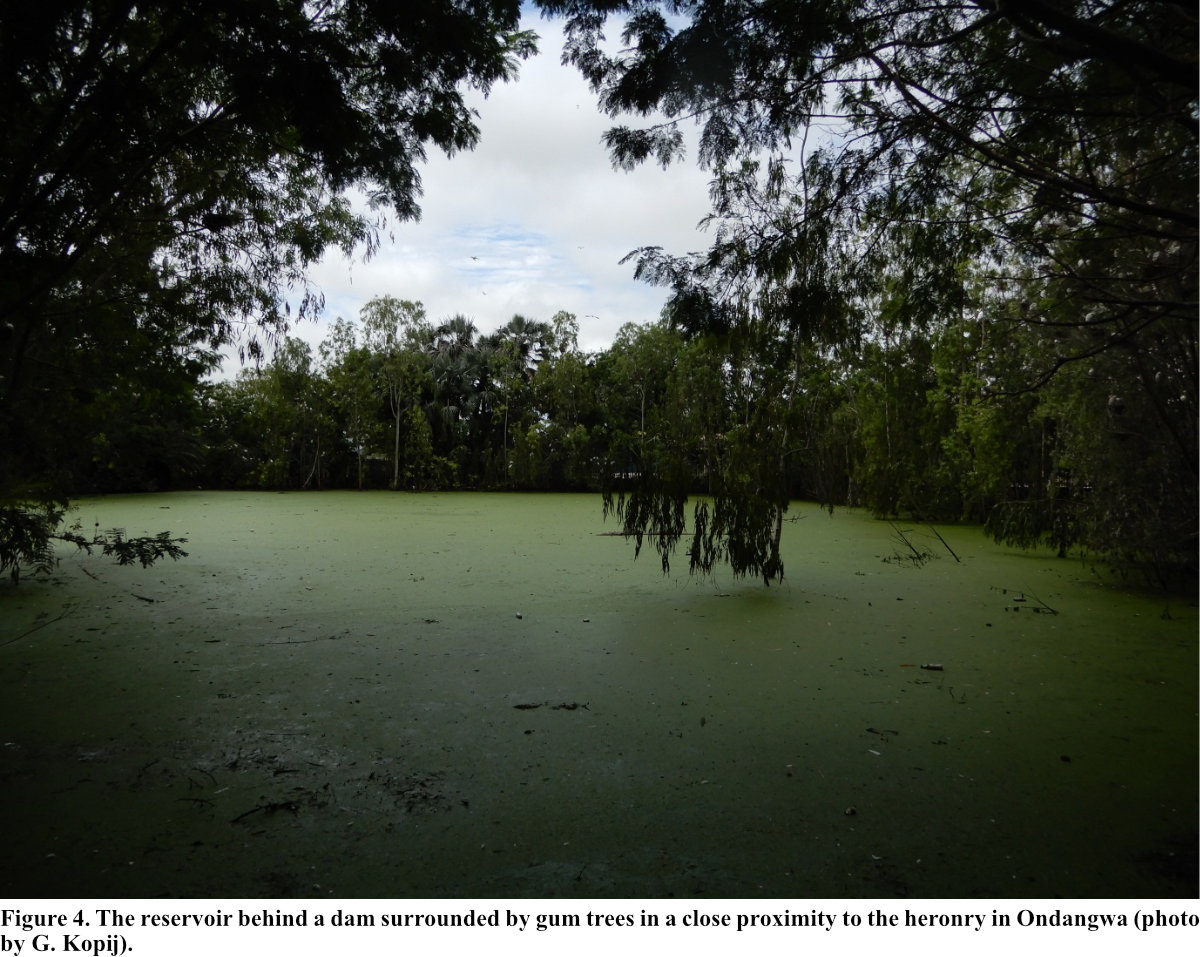
The possible reason is that in the Cuvelai Drainage System, herons are severely persecuted in their heronries by people (mostly herd boys), and choose therefore only safe places (not accessible for people, access prohibited, fenced off), with large trees and dams. Both in Lesotho and in Gauteng, the human disturbance is probably not so high. It should be pointed out that all ardeids and cormorants are legally protected in Namibia, although the legal acts (e.g., Nature Conservation Ordinance 4 of 1975, administered by the Ministry of Environment and Tourism, Namibia) are now outdated and require novelizations. Namibia has also signed (Rio de Janeiro, 12 June 1992) the Convention on Biological Diversity, and ratified it on 18 March 1997.
Like the Ondangwa heronry, several others were established in cities or towns in Africa (Harebottle et al. 2019, du Toit 2024) and other parts of the world (e.g., Chinmoy and Borah 2024). They may sometimes cause serious human-wildlife problem (Harebottle et al. 2019, du Toit 2024), usually on sanitary basis. The heronry in Ondangwa is especially problematic in this regard as it is located close to the hospital (health hazard by a transmission of zoonotic diseases and parasites).
Literature Cited
Chinmoy, S. and H. Borah. 2024. The urban heronries - woe or blessing? Econe – Media for Ecological Sustainability of Northeast India. [online] Accessed 15 August 2025.
du Toit, J. 2024. Nuisance egrets in small towns. [online] Accessed 15 August 2025.
Ewbank, D. A. 2019. On the status and breeding of cormorants and the darter in Zimbabwe. Honeyguide 65: 89-91.
Francis, R., G. Bino, V. Inman, K. Brandis and R. T. Kingsford. 2021. The Okavango Delta’s waterbirds – Trends and threatening processes. Global Ecology and Conservation 30, e01763. [online].
Hahn, C. 1946. Heronry in Ondangwa, S. W. A. (Extract from letter received from Mrs. C. H. Hahn of Ondangwa, Ovamboland, SWA, 20th February 1946, and submitted by Sir Llewellyn Andersson). Ostrich 17: 360-364.
Harebottle, D. M. 2019. HeronryMAP:Africa - Mapping the distribution and status of breeding sites of Ardeids and other colonial waterbirds in Africa. Journal of Heron Biology and Conservation 4: 1. [online].
Harebottle, D. M., H. Smit-Robinson and A. Froneman. 2019. National guidelines for interventions that relate to colonial breeding waterbirds causing human-wildlife conflict in South Africa. BirdLife South Africa, Johannesburg. [online].
Hockey, P. A. R., W. R. J. Dean and P. G. Ryna (eds.). 2005. Roberts’ Birds of Southern Africa. 7th ed. John Voelcker Bird Book Fund, Cape Town, South Africa.
Kopij, G. 1996a. A mixed heronry at Willem Pretorius Game Reserve, Free State province. Mirafra 13: 63-67.
Kopij, G. 1996b. Breeding and feeding ecology of the Reed Cormorant Phalacrocorax africanus in the Free State, South Africa. Acta Ornithologica 31: 89-99.
Kopij, G. 1996c. Location and structure of Cattle Egret Bubulcus ibis nests in a heronry at Wolwekop, Free State province. Mirafra 13: 68-70.
Kopij, G. 1997a. Timing of colony occupation, clutch size and breeding success in the Cattle Egret Bubulcus ibis related to nest location in a South African heronry. Acta Ornithologica 32: 169-174.
Kopij, G. 1997b. Breeding ecology of the African Spoonbill Platalea alba in the Free State, South Africa. Ostrich 68: 76-78.
Kopij, G. 1999a. Food of the Cattle Egret Bubulcus ibis in South African grassland. Vogelwarte 40: 98-109.
Kopij, G. 1999b. Breeding success in the cattle egret related to clutch size. South African Journal of Wildlife Research 29: 35.
Kopij, G. 2001. Birds of the western part of the Dewetsdorp district, Free State. Mirafra 18: 1-16.
Kopij, G. 2008. Range and population expansion of the Cattle Egret Bubulcus ibis in Lesotho. Ostrich 79: 245-248.
Kopij, G. 2013. Avian assemblages in natural and modified Koakoland (Mopane) Savanna in the Cuvelai Drainage System, north-central Namibia. Lanioturdus 46: 22-33.
Kopij, G. 2014. Distribution and numbers of breeding cormorants (Phalacrocoracidae) and herons (Ardeidae) in Lesotho. South African Journal of Wildlife Research 44: 189-192.
Kopij, G. 2015. Seasonal changes in avian communities in a farmland in the Cuvelai Drainage System, northern Namibia. Ornithological Observations 6: 73-81.
Kopij, G. 2019. Birds of the Bloemfontein area, Free State Province, South Africa, during the years 1977-2000: an overview. Acta Zoologica Cracoviensia 62: 41-76.
Kopij, G. and R. J. Nuttall 1996. Mixed heronries at Sandveld Nature Reserve. Mirafra 13: 1-19.
Krebs, C. J. 2009. Ecology. The experimental analysis of distribution and abundance. 6th ed. Pearson Education, San Francisco, California, U.S.A.
Kushlan, J. A. and H. Hafner (eds.) 2000. Heron Conservation. Academic Press, San Diego, California, U.S.A.
Mendelsohn, J., S. el Obeid and C. Roberts. 2000. A profile of north-central Namibia. Gamsberg Macmillan Publishers, Windhoek, Namibia.
Mendelsohn, J. and B. Weber. 2011. The Cuvelai Basin, its water and people in Angola and Namibia. Occasional Paper no. 8. Development Workshop, Luanda, Angola.
Stalmans, M., G. B. P. Davies, J. Trollip and G. Poole. 2014. A major waterbird breeding colony at Lake Urema, Gorongosa National Park, Moçambique. Durban Natural Science Museum Novitates 37: 54-57.
Tarboton, W. R. 1977. Status of communal herons, ibis and cormorants on the Witwatersrand. South African Journal of Wildlife Research 7: 19-25.